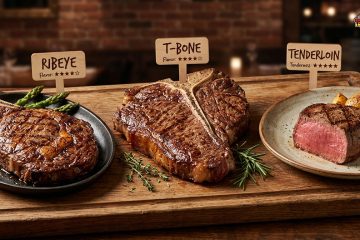

Not all beef is the same. Two steaks may look similar on the outside, but the experience on your plate can be completely different.
When people order steak at a restaurant, they often focus on the cut or the doneness. But one of the most important factors is something less visible. The quality of the beef itself.
Understanding the difference between prime cut and regular beef helps explain why some steaks feel richer, juicier, and more satisfying than others.
What is regular beef?
Regular beef refers to standard quality meat that is widely available and commonly used across restaurants.
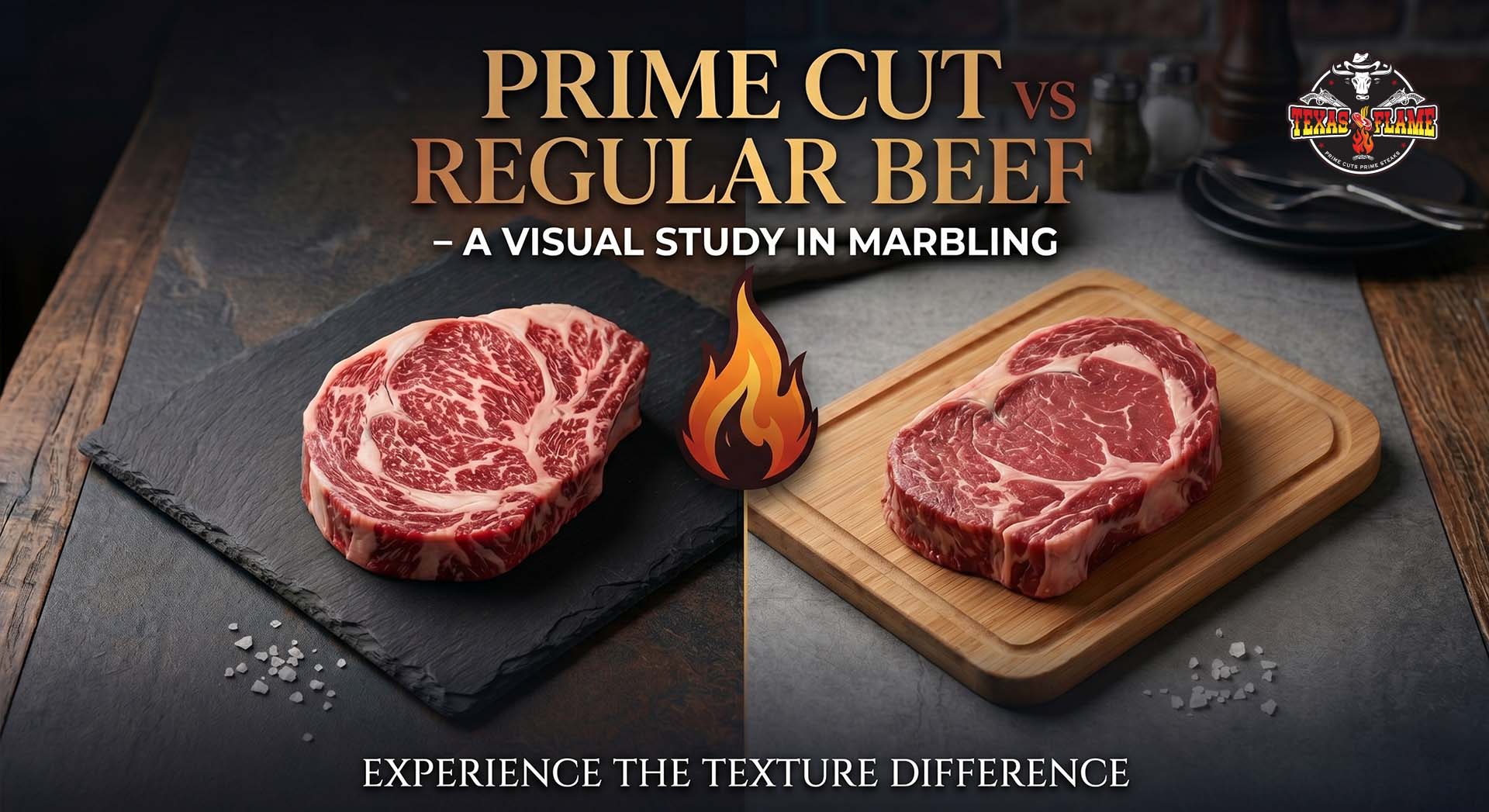
It is typically leaner, with less marbling. Marbling is the thin lines of fat within the meat that melt during cooking and contribute to flavor and juiciness.
What to expect from regular beef:
- Lower fat content
- Firmer texture
- Less intense flavor
- Can become dry if overcooked
Regular beef can still be enjoyable when cooked properly, but it requires more care to maintain moisture and tenderness.
What is prime cut beef?
Prime cut beef represents a higher grade of meat, selected for its superior quality.
It contains a higher level of marbling, which directly affects how the steak tastes and feels when cooked. As the steak grills, the fat melts into the meat, creating a richer and more flavorful bite.
What to expect from prime cuts:
- Higher marbling
- More juiciness
- Softer texture
- Deeper, more developed flavor
Prime cuts are typically used in premium steakhouses because they deliver a more consistent and satisfying result.
Why marbling makes the biggest difference
The key difference between prime cut and regular beef comes down to marbling.
Marbling acts as a natural flavor enhancer. As the fat melts during cooking, it keeps the steak moist and adds depth to the taste. This is why a well-cooked ribeye feels rich and juicy compared to a leaner cut.
In regular beef, the lack of marbling means less natural moisture. This can result in a steak that feels firmer and less flavorful, especially if cooked beyond medium.
Texture and cooking experience
Prime cuts are more forgiving when it comes to cooking. Because of the fat content, they remain tender even at higher doneness levels.
Regular beef, on the other hand, requires more precision. Overcooking can quickly make it dry and tough.
This difference becomes noticeable the moment you cut into the steak.
- Prime cuts glide easily under the knife and feel soft in every bite.
- Regular beef offers more resistance and a firmer chew.
Flavor intensity on the plate
Flavor is where the difference becomes most obvious.
- Prime beef delivers a fuller, more rounded taste. The melted fat carries flavor throughout the meat, making each bite feel complete.
- Regular beef has a cleaner but less intense flavor. While still enjoyable, it does not provide the same depth or richness.
This is why premium steakhouses prioritize higher-quality cuts. The flavor speaks for itself.
Why premium steakhouses choose prime cuts
A steakhouse is defined by the quality of its meat.
Using prime cuts ensures that every steak meets a certain standard. It reduces inconsistency and allows the kitchen to focus on technique rather than compensating for the limitations of the meat.
At Texas Flame, this focus on premium cuts is part of what defines the experience. The selection of beef is done with attention to marbling, texture, and overall quality, ensuring that each steak delivers the expected richness and tenderness.
Combined with high heat grilling, this creates a result that feels consistent and satisfying.
Is prime cut always the better choice
For a steakhouse experience, yes.
If you are looking for a rich, juicy, and tender steak, prime cuts provide a clear advantage. They offer better flavor, better texture, and a more reliable result.
Regular beef may be suitable for everyday meals, but when dining out and expecting a premium experience, the difference becomes too significant to ignore.
Making the right choice
Understanding the difference between prime cut and regular beef helps you make better decisions when ordering. It explains why certain steaks feel more satisfying, why some remain juicy while others do not, and why premium steakhouses emphasize quality over everything else.
The next time you sit down for a steak, you will know that what is on your plate is not just about the cut or the cooking. It is about the quality of the beef itself.
And that difference is something you can taste in every bite!